- Why Choose Tooth Suite?
- Dental Services
- New Patients
- Tooth Suite Dental Team
- Appointments
- Blog
- Contact Us
We are accepting CDCP - now available for all ages! click here for details.
We are accepting CDCP - now available for all ages! click here for details
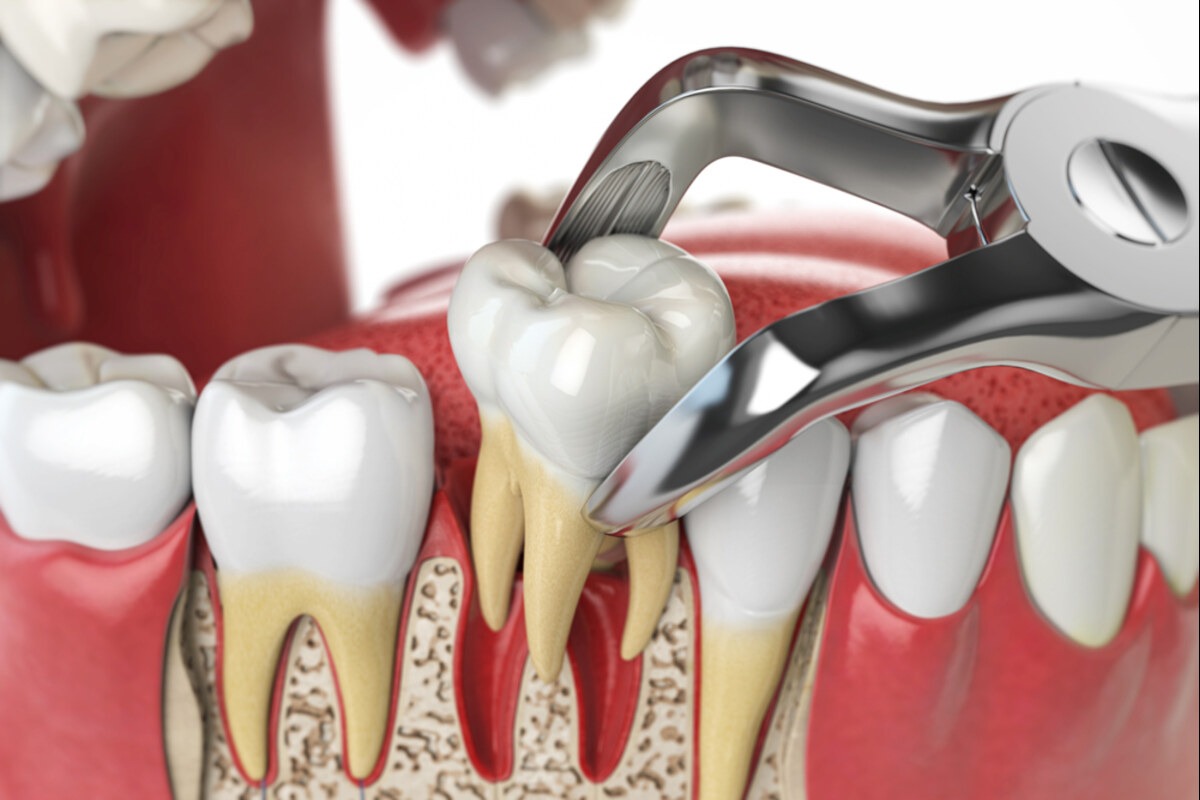
Tooth pain, swelling, or serious damage may be signs that a tooth can no longer be repaired. Ignoring ongoing discomfort for too long can allow the problem to spread and affect nearby teeth and gums. A visit to a dentist in Lloydminster can help identify whether the tooth can still be treated or if extraction may be needed.
In some situations, removing the tooth may help protect your overall oral health. If you are considering oral surgery near you, it is important to understand how delaying a tooth extraction may affect your mouth over time.
When Is Tooth Extraction Necessary?
Dentists usually try to save your natural teeth whenever possible. However, some teeth may be too damaged or infected to be treated safely.
Common reasons for tooth extraction include:
- Severe tooth decay
- Deep tooth infection
- A broken tooth below the gums
- Advanced gum disease
- Impacted wisdom teeth
- Crowded teeth before braces treatment
Knowing when a tooth extraction is necessary can help you get treatment before the problem becomes worse.
What Can Happen If You Delay a Tooth Extraction?
Ignoring a damaged or infected tooth may allow bacteria and inflammation to spread deeper into the mouth.
Possible problems may include:
- Increased tooth pain
- Swelling in the gums or face
- Infection spreading to nearby teeth
- Difficulty chewing
- Bone damage around the tooth
- Bad breath caused by infection
In some cases, delaying treatment may also make the extraction more complicated later.
Can an Infected Tooth Affect Other Teeth?
Yes, an infected tooth can affect nearby areas if it is not treated. Over time, the infection may spread to the gums, bone, and nearby teeth.
You may notice:
- Pain spreading to nearby teeth
- Swollen gums
- Increased sensitivity
- Trouble eating comfortably
Early treatment may help stop the infection before larger dental problems develop.
What Happens to the Jawbone After Delaying Extraction?
A tooth extraction is done carefully to help keep you comfortable and protect the nearby teeth and gums.
Bone damage may lead to:
- Loose teeth
- Changes in bite alignment
- Difficulty replacing the missing tooth later
- Gum recession
Receiving oral surgery in Lloydminster at the right time may help reduce the risk of severe bone problems.
Can You Save the Tooth Instead of Removing It?
Some damaged teeth can still be treated with fillings, crowns, or root canal treatment. Your dentist will check the tooth carefully before deciding if it should be removed.
When comparing tooth extraction vs saving the tooth, dentists usually look at:
- How badly the tooth is damaged
- If the tooth can still be repaired
- The health of the nearby gums and bone
- Whether the infection may spread
If the tooth can be treated safely, saving the natural tooth is often preferred.
What Are the Signs You Should Not Ignore?
Some symptoms may mean the tooth needs immediate dental attention.
You should contact a dentist near you if you notice:
- Severe tooth pain
- Swelling in the face or gums
- Pus near the tooth
- Fever with tooth pain
- Pain while chewing
- A broken tooth is causing discomfort
Ignoring these signs may increase the chance of infection spreading further.
What Happens During a Tooth Extraction?
Tooth extractions are performed carefully to reduce discomfort and protect nearby tissues.
The process usually includes:
Dental Examination
Your dentist checks the tooth and may take X-rays to understand the condition.
Numbing the Area
Local anesthesia is used to help keep you comfortable during the procedure.
Removing the Tooth
The tooth is gently loosened and removed.
Healing Instructions
Your dentist will give you instructions to help the area heal properly after the extraction. If needed, your dentist may also talk with you about options for replacing the missing tooth later.
How Long Does Recovery Take?
Recovery time depends on the type of tooth extraction and your oral health.
Most people feel better after a few days, but the area may take longer to heal completely. Following your dentist’s instructions can help reduce discomfort and support proper healing.
Helpful recovery tips include:
- Resting after the procedure
- Eating soft foods
- Avoiding smoking
- Keeping the area clean
- Avoiding drinking through a straw for a short time
Your dentist will explain how to care for the extraction area during recovery.
Why Quick Action Helps Healing
Waiting too long to remove a damaged tooth can cause more pain and allow the infection to spread. Getting treatment early can help protect your teeth and gums.
Early treatment may help:
- Lower the chance of infection
- Protect nearby teeth
- Make chewing more comfortable
- Keep the jawbone healthy
- Help the area heal better
Regular dental visits can also help find problems before they become more serious.
Restoring Oral Health with Gentle Treatment
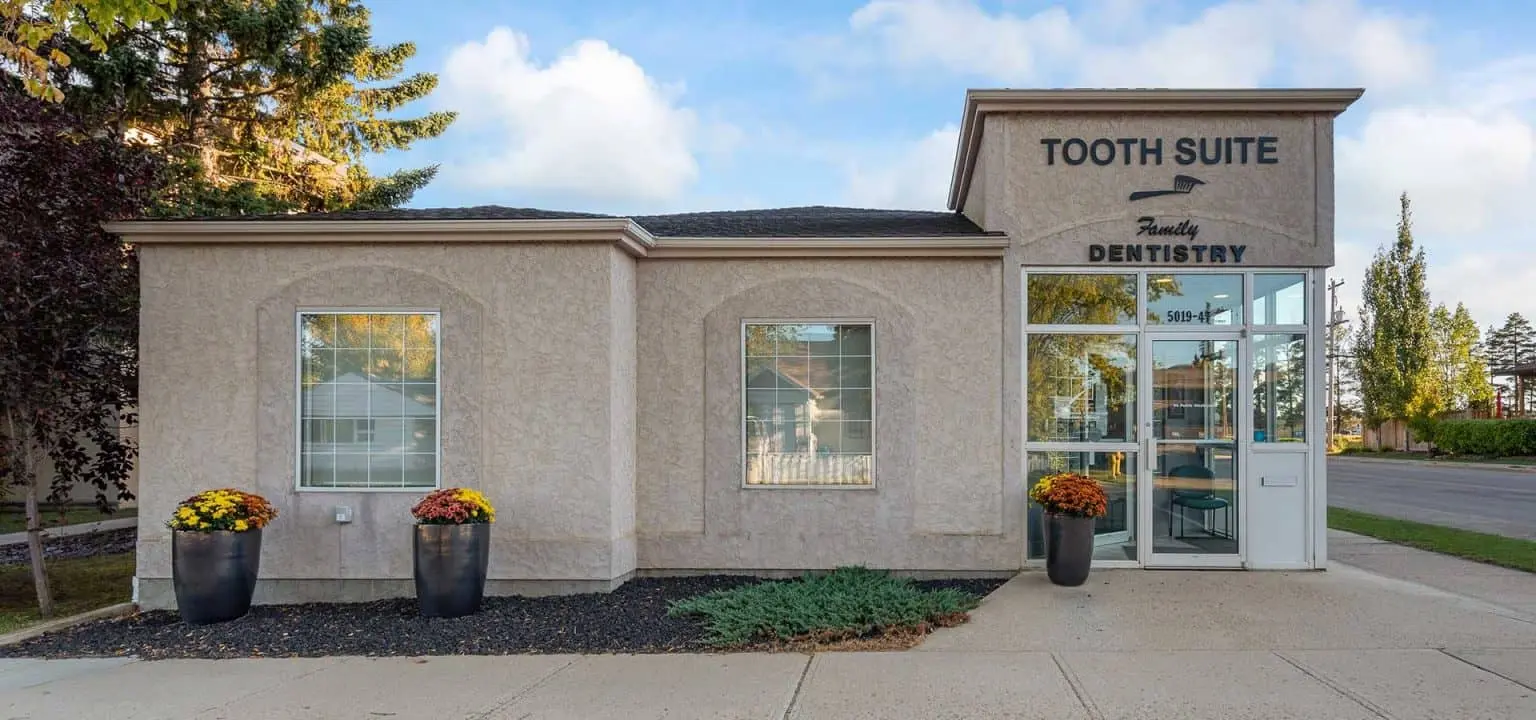
Delaying treatment for a damaged tooth may lead to larger dental problems over time. At Tooth Suite Family Dentistry, you can receive a complete dental evaluation to determine whether extraction or another treatment may be the right option for your oral health.
Schedule your visit today.
FAQs
Can a damaged tooth heal without extraction?
Some teeth can be treated, but severely damaged or infected teeth may still need removal.
Is tooth extraction painful?
Local anesthesia is used to help keep you comfortable during the procedure.
Can delaying extraction make the problem worse?
Yes, delaying treatment may allow infection and damage to spread further.
How long does it take to recover from a tooth extraction?
Many people feel better within a few days, but complete healing may take longer.

Disclaimer
Dr. Marianne Stelmaschuk is a Lloydminster General Dentist. She is not a specialist in Cosmetic or Family Dentistry. Cosmetic and Family Dentistry are not specialties recognized by the Alberta Dental Association & College of Dental Surgeons of Alberta (CDSA). She provides Cosmetic and Family Dental procedures such as Porcelain Veneers, Dental Crowns, Invisalign, and Teeth Whitening as part of her General Dentistry license. As a Lloydminster Family Dentist, she provides General Dental procedures for all ages within the family. Dr. Prabhjot Singh is a licensed Oral and Maxillofacial surgeon and can offer Oral Maxillofacial specialty services as part of his license.