- Why Choose Tooth Suite?
- Dental Services
- New Patients
- Tooth Suite Dental Team
- Appointments
- Blog
- Contact Us
We are accepting CDCP - now available for all ages! click here for details.
We are accepting CDCP - now available for all ages! click here for details
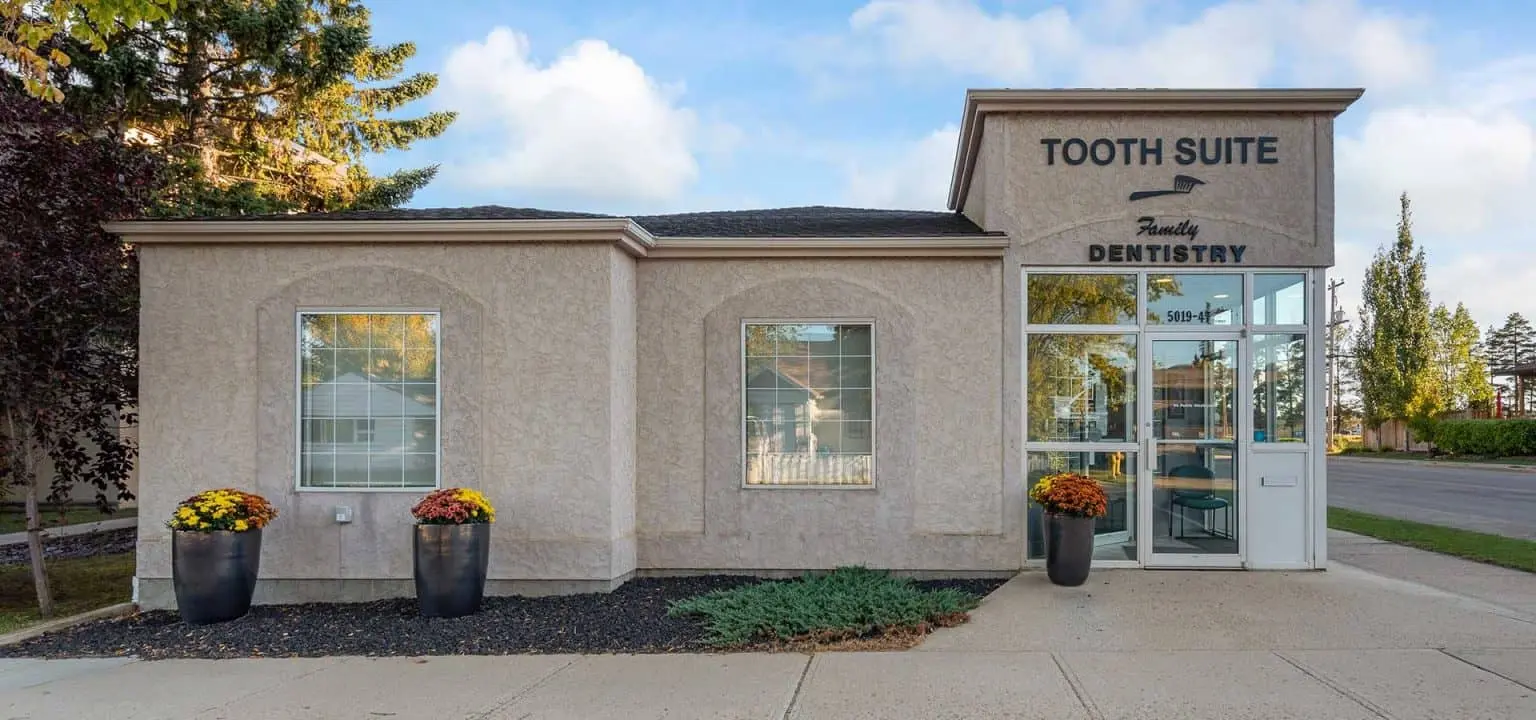

For some people, the hardest part of a dental appointment is not the treatment itself. It is seeing the needle. Even knowing that local anaesthetic is meant to prevent discomfort may not make that moment any easier. If fear of injections has made you reluctant to visit a dentist in Lloydminster, it may help to know that dentistry now includes needle-free and needle-minimizing approaches for certain procedures. What is appropriate depends on the treatment and how much numbing is actually required.
Why Are So Many People Nervous About Dental Needles?
Needle anxiety is more common than you might think. Sometimes it comes from a difficult dental experience years ago. For others, simply seeing a syringe or anticipating the sensation of an injection is enough to cause anxiety.
The fear can become strong enough that you postpone treatment even when a tooth is bothering you. Unfortunately, waiting may allow a relatively manageable dental problem to become more complicated.
Talking about your anxiety before treatment can help. Your dental team can explain what to expect and discuss whether alternatives to a traditional injection are suitable for the procedure you need.
Is Numbing Without a Needle Really Possible?
In some situations, yes. A dentist without needles may use alternative technology to deliver local anaesthetic without a conventional syringe for appropriate treatments. Rather than assuming every dental procedure must begin with an injection, your dental provider can determine how much anaesthesia is needed and which delivery method may be suitable.
Needle-free does not mean that every dental procedure can be completed without traditional local anaesthetic. Deeper or more complex treatment may still require an injection to numb the area adequately.
The important difference is having options. If avoiding needles matters to you, mention it before treatment starts rather than waiting until you are already sitting in the dental chair.
How Does Needle-Free Numbing Work?
The exact method depends on the technology being used. Some systems deliver anaesthetic through the gum tissue without using a conventional needle. Others may be intended for specific areas or relatively minor procedures.
The goal is still the same: to make the treatment area comfortable enough for the dental work being performed.
Before using any numbing method, your dental provider will consider several factors, including:
- The type of dental procedure
- Which tooth or area needs treatment
- How deeply the tissues need to be numbed
- Your medical and dental history
- Your previous experiences with anaesthesia
- Your level of dental anxiety
This is why the same approach may not be recommended for every patient or every appointment.
What Does Needle-Free Numbing Feel Like?
The experience varies depending on the system and the area being treated. You may notice pressure or another brief sensation as the anaesthetic is delivered, but there is no conventional needle entering the tissue with certain needle-free methods.
If anxiety is your main concern, ask questions before anything begins. Knowing what you are likely to feel can make the experience less uncertain.
Those of you looking for a dentist near you because you have been avoiding appointments due to needle anxiety may also want to mention any previous experience that contributed to your fear. That information can help your dental team approach treatment at a pace that feels more manageable.
Is Needle-Free Numbing Suitable for Everyone?
Not necessarily. The best numbing method depends on the procedure rather than preference alone. Certain treatments require profound anaesthesia in areas where a traditional injection may still be the more appropriate choice.
There may also be individual considerations involving your health, medications, allergies, or previous responses to local anaesthetics.
This does not mean your concerns about needles have to be dismissed. Even when an injection is necessary, there are ways to make the experience easier. Topical anaesthetic may be used beforehand, and careful injection techniques can help reduce discomfort.
What Else Can Help With Dental Needle Anxiety?
If you know that needles make you nervous, tell your dental team when you book rather than trying to hide the anxiety. This gives everyone a chance to plan ahead.
A few practical strategies may also help:
- Avoid watching the instruments being prepared.
- Agree on a hand signal if you need a short break.
- Ask to have each step explained before it happens.
- Use headphones or another distraction if permitted.
- Practise slow, steady breathing while treatment is being prepared.
- Ask about available comfort or sedation options when appropriate.
You do not need to pretend that you are comfortable when you are not. Clear communication can make it easier for your dental team to understand what part of the experience concerns you most.
Do Needle-Free Options Replace Sedation?
No. Local anaesthesia and dental sedation serve different purposes. Anaesthesia numbs a particular area so that treatment can be performed comfortably. Sedation is used to help some patients feel calmer or more relaxed during an appointment.
Depending on the procedure and your level of anxiety, one or both may be discussed. Sedation also comes in different forms and is not required simply because you dislike needles.
If fear has prevented you from receiving dental care for a long time, discussing it openly is a useful first step. You can ask what options are available before agreeing to treatment.
When Might a Traditional Injection Still Be Needed?
Some procedures involve deeper tissues or require a larger area to remain numb for an extended period. In these situations, an injection may provide the level of local anaesthesia needed to perform treatment comfortably.
Your dental provider should be able to explain why a particular method is being recommended. If you are worried, ask whether topical numbing can be used first and what can be done to make the injection easier.
Having a needle-free option for some procedures does not mean traditional anaesthesia has become unnecessary. Instead, it gives patients another possibility when the treatment and circumstances allow it.
Making Dental Visits Feel More Manageable
Fear of needles can be powerful enough to keep you away from dental care, but avoiding appointments can create a cycle in which problems become more involved and future treatment feels even more intimidating.
You deserve to understand what will happen before treatment begins. Asking about numbing methods, discussing previous experiences, and telling your dental team when you are anxious can make the appointment feel far less unpredictable.
Talk to Us About Your Dental Anxiety
Being nervous about injections should not stop you from asking questions or getting the dental care you need. The first step can simply be a conversation about your concerns and the comfort options that may be appropriate for your treatment.
Contact Tooth Suite Family Dentistry to schedule an appointment. We can discuss your concerns, explain what to expect, and help you feel more comfortable about your next dental visit.
FAQs
Can I ask not to see the dental syringe?
Yes. If seeing dental instruments increases your anxiety, mention this before treatment begins. Your dental team can often keep them outside your direct line of sight.
Should I eat before an appointment if I am anxious?
That depends on the procedure and whether sedation is planned. Ask for specific instructions beforehand rather than skipping a meal on your own.
Can I bring someone with me if dental treatment makes me nervous?
Policies vary, particularly inside treatment rooms. Ask when booking whether a support person can accompany you for part or all of the visit.
Should children be told about dental injections before an appointment?
It is usually helpful to prepare children honestly without using frightening descriptions. Ask the dental team how they prefer you to explain the upcoming visit based on your child’s age and planned treatment.

Disclaimer
Dr. Marianne Stelmaschuk is a Lloydminster General Dentist. She is not a specialist in Cosmetic or Family Dentistry. Cosmetic and Family Dentistry are not specialties recognized by the Alberta Dental Association & College of Dental Surgeons of Alberta (CDSA). She provides Cosmetic and Family Dental procedures such as Porcelain Veneers, Dental Crowns, Invisalign, and Teeth Whitening as part of her General Dentistry license. As a Lloydminster Family Dentist, she provides General Dental procedures for all ages within the family. Dr. Prabhjot Singh is a licensed Oral and Maxillofacial surgeon and can offer Oral Maxillofacial specialty services as part of his license.