- Why Choose Tooth Suite?
- Dental Services
- New Patients
- Tooth Suite Dental Team
- Appointments
- Blog
- Contact Us
We are accepting CDCP - now available for all ages! click here for details.
We are accepting CDCP - now available for all ages! click here for details
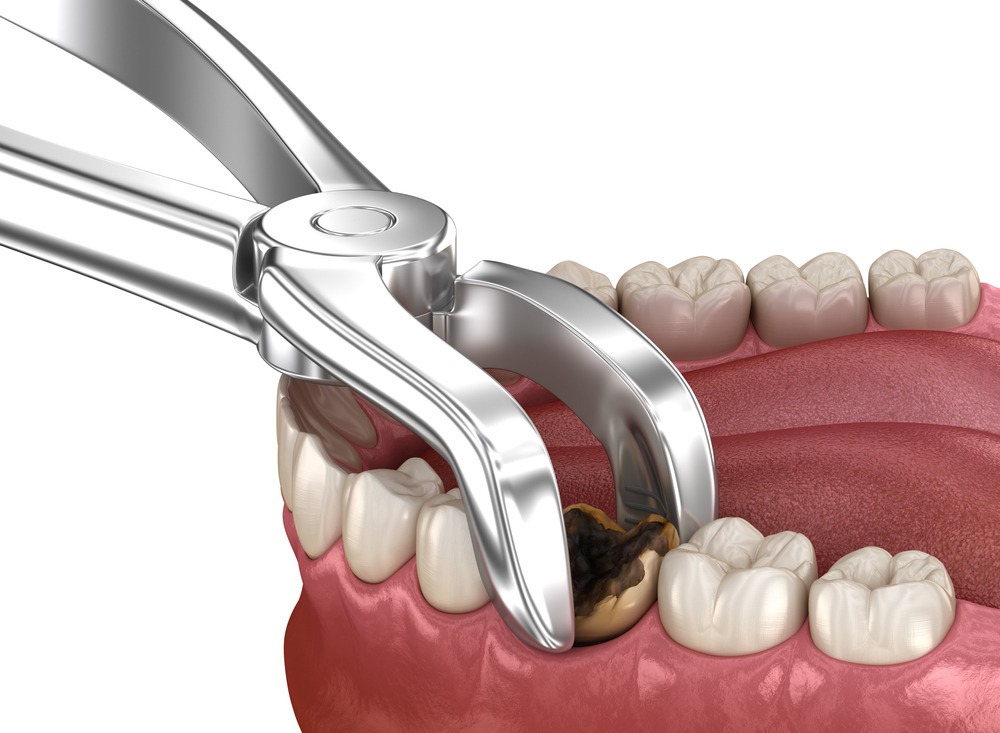
For simple cases, your family dentist can often remove wisdom teeth safely. For complex cases, an oral surgeon is the better choice. The real answer depends on how your teeth are positioned, how deep they sit, and how healthy your jaw is. If you see a dentist in Lloydminster, they can look at your teeth and help you decide whether to stay with them or get a referral to a specialist.
What Are Wisdom Teeth?
Wisdom teeth are your back molars. Most people have four of them – two on the top and two on the bottom. They usually come in between the ages of 17 and 25.
Some people’s wisdom teeth grow in straight and healthy, just like regular teeth. Others have problems. When wisdom teeth cause pain, infection, or crowding, they often need to come out.
What Is an Oral Surgeon?
An oral surgeon is a dentist who has gone to extra school to specialize in surgery. They have training in:
- Removing teeth that are stuck or at odd angles
- Working with people who need deeper sedation
- Managing complications
- Grafting bone or tissue
- Jaw procedures
Not every dentist near you is an oral surgeon. A regular dentist has different training.
When Can Your Family Dentist Remove Wisdom Teeth?
Many family dentists remove wisdom teeth all the time. Your dentist may be able to help if:
- Your wisdom teeth are visible and not buried.
- They are growing at a normal angle.
- Your gums and jaw are healthy.
- The tooth is not stuck to bone.
- You are comfortable with local numbing (freezing).
Your family dentist knows your mouth well. They have records of your health and can often handle straightforward cases in their office.
When Do You Need an Oral Surgeon?
Some cases are too tricky for a regular office. You may need an oral surgeon for wisdom teeth removal in Lloydminster if:
- The tooth is fully buried in bone or gum.
- It is growing at a sideways angle (impacted).
- It is very close to a nerve.
- Your jaw is small, or the tooth is very large.
- You need IV sedation or general anesthesia.
- You have health conditions that make surgery harder.
- The dentist finds complications during removal.
- Bone needs to be removed to get the tooth out.
Impacted wisdom teeth oral surgeon specialists have the training and tools to handle these cases safely.
What Is the Difference in How They Do It?
The basic steps are similar, but the setting and tools differ.
| Step | Family Dentist | Oral Surgeon |
| Numbing | Local numbing (freezing) | Local plus IV sedation or anesthesia |
| Tools | Standard dental tools | Surgical instruments, bone removal tools |
| Time | Usually 20 to 45 minutes per tooth | May take longer, especially for complex cases |
| Recovery area | At home after a short wait | Recovery room with monitoring |
| Monitoring | Standard vital sign checks | Continuous heart and breathing monitoring |
| Follow-up | Phone call or next-day check-in | Follow-up visit after a few days |
Both can do the job well. The choice depends on the difficulty and your comfort level.
What Is Wisdom Teeth IV Sedation?
IV sedation is a type of sleep medicine given through a vein. It is deeper than local numbing but not full general anesthesia.
How It Works
- You stay awake enough to respond to the doctor, but you do not feel pain.
- You may not remember much of the procedure.
- Your vital signs are watched the whole time.
- You wake up soon after it is done.
Who Usually Gets IV Sedation?
- People who are very nervous about dental work.
- Those having multiple or complex extractions.
- Patients with health conditions that make them harder to work on.
- Anyone who asks for it and is a good candidate.
IV sedation is usually only available through an oral surgeon or a dental clinic set up for it.
When does a Wisdom Tooth Needs a specialist?
Your family dentist may suggest you see a specialist. This is not a bad sign. It means they want the best outcome for you.
Your dentist may say something like:
- “I think an oral surgeon would be better for this case.”
- “Your tooth is in a tricky spot, so let’s get a specialist’s opinion.”
- “I want to make sure you get the safest care.”
A wisdom teeth extraction referral is professional and caring, not a reflection on your teeth or the dentist.
How to Ask for a Referral
If you want a second opinion, just ask. Say:
- “Would it be better to see an oral surgeon for this?”
- “Do you think I need a specialist?”
- “Can you give me a referral if you think it’s needed?”
Most dentists are happy to refer when it makes sense.
What Should You Ask Before Choosing?
Before you decide, ask your dentist or oral surgeon these questions:
Questions to Ask
- Should I expect hassle-free results?
- Can you manage this, or should I seek specialist help?
- Which kind of numbing will be used?
- What’s the duration of this?
- What specific risks are involved with my case?
- What is the cost?
- What is the recovery like?
- How often do you do this procedure?
- What should I expect the first week?
Clear answers help you feel confident with your choice.
How Does the Removal Process Happen?
Whether it is a dentist or oral surgeon, the steps are similar.
Before the Procedure
- X-rays show exactly where the tooth is.
- Your dentist reviews your health history.
- You get numbing medicine or sedation.
- Your dentist explains what will happen.
During the Removal
- The gum around the tooth is opened a little.
- The tooth is gently loosened.
- The tooth is carefully taken out.
- The area is cleaned.
- Stitches may be placed if needed.
- Gauze is put in to stop bleeding.
Right After
- You rest in the recovery area.
- Your vital signs are checked.
- You get care instructions.
- Someone drives you home (if you had sedation).
What Is Recovery Like?
Recovery depends on how complex the case is and what numbing you had.
| Timeline | What to Expect |
| First few hours | Numbness fades, and mild soreness starts. |
| First 24 hours | Swelling peaks, some pain, and bleeding may continue. |
| Days 2 to 5 | Swelling decreases, pain eases, and small scabs form. |
| Week 1 | Most people feel much better. |
| Week 2 | Most healing is done on the outside. |
| 3 to 6 months | Bone finishes healing inside. |
Everyone heals at their own pace. Your dentist will give you exact care steps.
Is It Better to Have One Tooth Out or All Four at Once?
This is a common question. The answer depends on your situation.
| Option | Pros | Cons |
| One at a time | Less pain at once, less recovery time | Multiple appointments over months |
| Two at a time | Fewer appointments, moderate recovery | More pain and swelling than one |
| All four at once | One appointment, one recovery period | More pain and swelling, longer healing |
Your dentist or oral surgeon can advise based on how many teeth need to come out and how complex they are.
What Happens if Something Goes Wrong?
Complications are rare, but they can happen. Common ones include:
- Dry socket (when the healing clot falls out)
- Infection
- Swelling that lasts longer than expected
- Numbness or tingling in the lip or chin
If you notice any of these, call your dentist or surgeon right away. Most can be treated quickly.
What If You Wait Too Long?
If your wisdom teeth are causing problems, waiting can lead to more issues:
- Pain gets worse.
- Infection can spread to other teeth or bone.
- Crowding of other teeth may happen.
- Damage to the tooth next to it may occur.
- Cysts can form around the impacted tooth.
Getting it done when your dentist suggests it is usually the easiest path.
How Do You Choose: Dentist or Specialist?
Here is a simple way to think about it:
- Ask your dentist: “Can you handle this, or should I see a specialist?”
- Trust their answer: If they say they can do it, they probably can. If they say to see a specialist, listen.
- Feel comfortable: Choose whoever you trust and feel comfortable with.
- Ask questions: Both dentists and oral surgeons should be happy to answer.
Your comfort and confidence matter. If you feel more relaxed with a specialist, that is a good enough reason.
What Is the Cost Difference?
According to the cases, the location and costs vary, but here is a look:
- Family dentist: Often less expensive.
- Oral surgeon: Usually more expensive, but may be needed for complex cases.
Insurance often covers wisdom teeth removal. Check your plan to see what they cover in both settings.
Simple Steps to Make Your Decision
- See your dentist for an exam.
- Ask if they can remove your teeth or if a specialist is better.
- Find out exactly why this is.
- Inquire about fees and healing.
- If they’ve been referred, call the specialist and ask questions.
- Pick the one you feel most at ease with.
- Adhere to all before and after care instructions.
There is no rush. Take your time to feel confident.
Wisdom Teeth Out, Your Smile Stays Healthy
At Tooth Suite Family Dentistry, our team is trained to look at your wisdom teeth and give you an honest answer about the best path. We will explain everything in plain words, answer your questions, and support you whether we do the work or refer you to a specialist. If your wisdom teeth are bothering you or you want to know what is ahead, we welcome you to book a visit. We are here for you.
Frequently Asked Questions
Can I wait if my wisdom teeth do not hurt?
If they are healthy and not causing trouble, you may not need to remove them.
Will my other teeth shift if I remove wisdom teeth?
Not usually, but this depends on your individual mouth and jaw.
How long before I can eat normal food again?
Most people go back to soft foods after a few days and regular foods within a week or two.
Will I be asleep during the removal?
Not necessarily; it depends on the type of numbing used.
If you’d like, I can also put this into a Word doc or Google Docs-ready format.
Disclaimer
Dr. Marianne Stelmaschuk is a Lloydminster General Dentist. She is not a specialist in Cosmetic or Family Dentistry. Cosmetic and Family Dentistry are not specialties recognized by the Alberta Dental Association & College of Dental Surgeons of Alberta (CDSA). She provides Cosmetic and Family Dental procedures such as Porcelain Veneers, Dental Crowns, Invisalign, and Teeth Whitening as part of her General Dentistry license. As a Lloydminster Family Dentist, she provides General Dental procedures for all ages within the family. Dr. Prabhjot Singh is a licensed Oral and Maxillofacial surgeon and can offer Oral Maxillofacial specialty services as part of his license.