- Why Choose Tooth Suite?
- Dental Services
- New Patients
- Tooth Suite Dental Team
- Appointments
- Blog
- Contact Us
We are accepting CDCP - now available for all ages! click here for details.
We are accepting CDCP - now available for all ages! click here for details
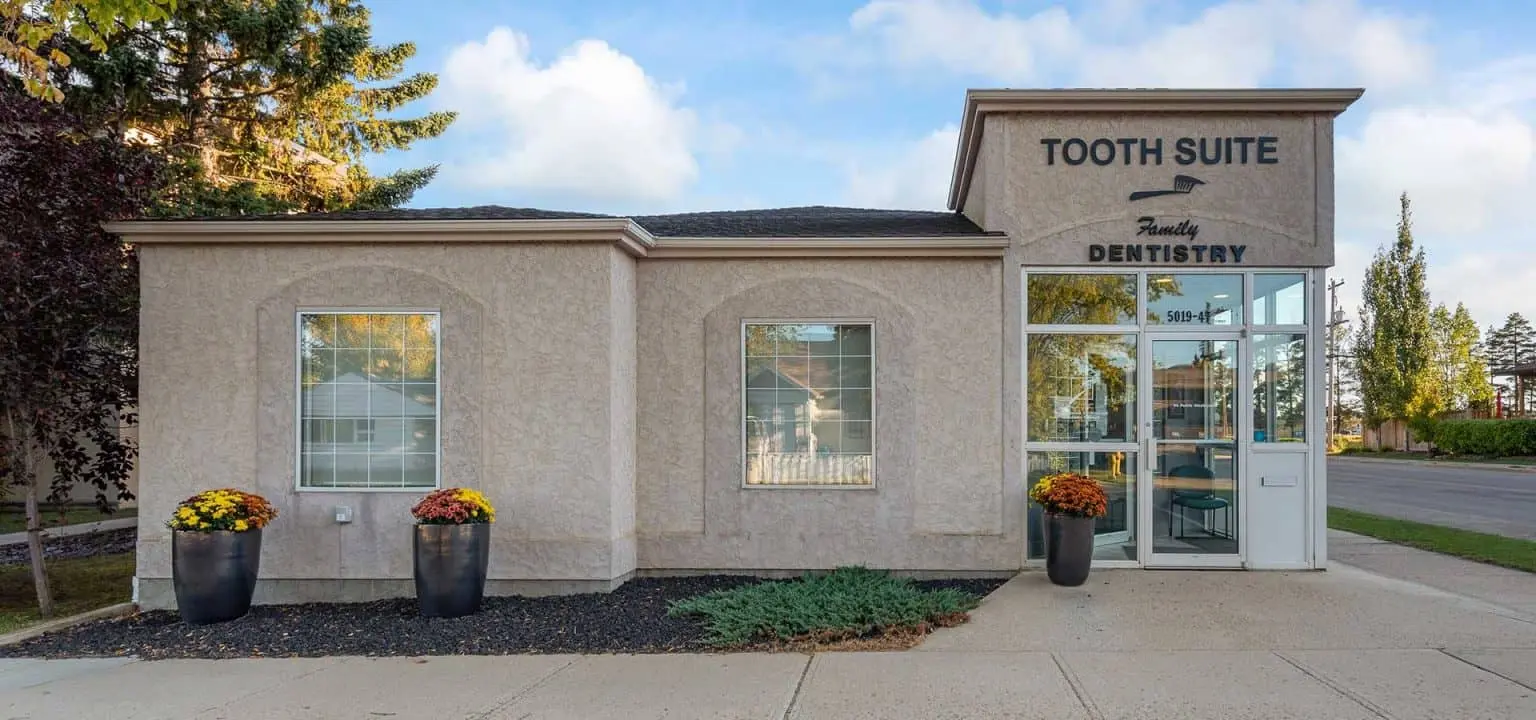
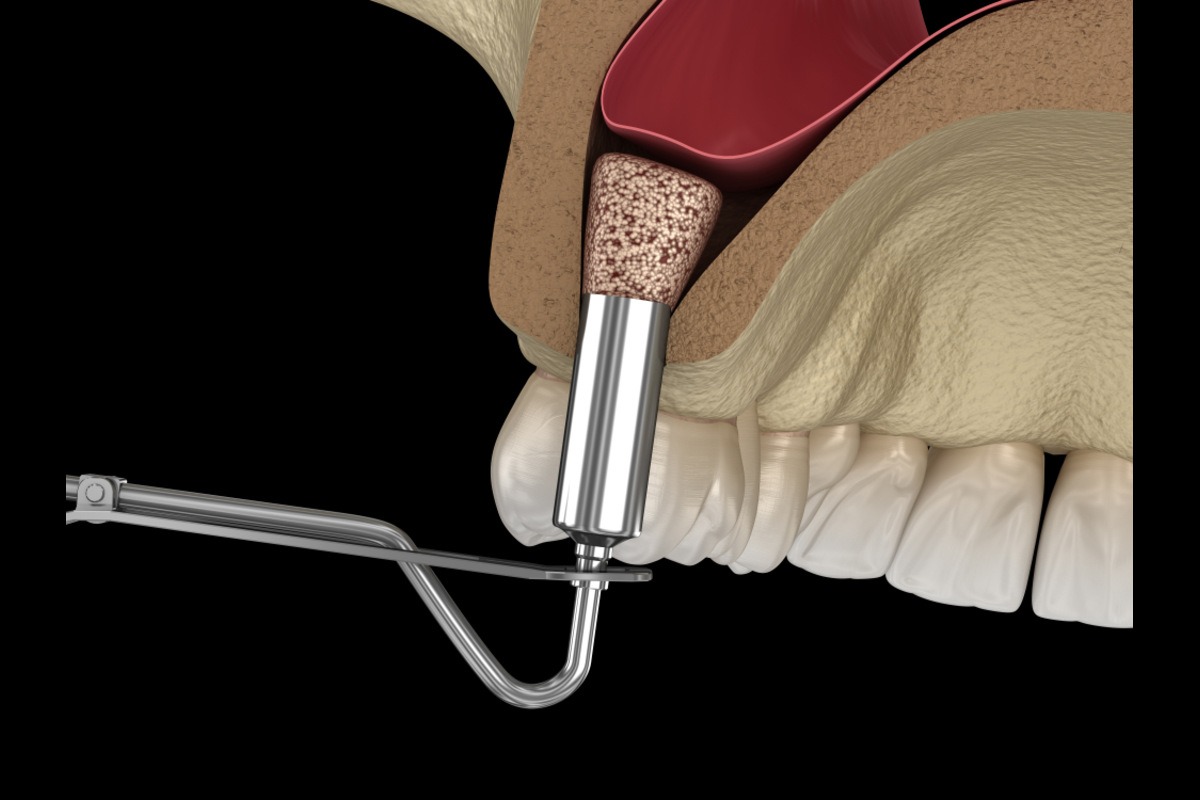
If you’re preparing for an upper back-tooth implant, your dentist might recommend a sinus lift to create enough bone to support it. But once surgery is over, simple things like blowing your nose or sneezing can feel a little worrying. A dentist in Lloydminster, AB can explain what to expect and how to protect the surgical area while it heals.
The general rule is to avoid blowing your nose for as long as your dental surgeon recommends. Because the sinus is close to the treatment area, pressure can interfere with healing.
Why Should You Avoid Blowing Your Nose?
A sinus lift adds bone graft material to the upper jaw when there isn’t enough natural bone for an implant. During the procedure, your dentist carefully lifts the sinus membrane to make room for the graft.
Blowing your nose creates pressure inside your sinuses. This may disturb the healing membrane or graft, which is why no nose blowing after sinus lift is an important recovery precaution.
Many surgeons recommend avoiding nose blowing for at least two weeks, but your timeline may be different. If you accidentally blow your nose, don’t panic. Stop and contact your dental team if you notice new pain, bleeding, or unusual fluid movement.
What If You Need to Sneeze?
Sneezing can also create pressure around the healing area. Instead of trying to hold one in, take a few simple precautions:
- Sneeze with your mouth open to help release pressure.
- Avoid pinching your nostrils shut.
- Let the sneeze happen naturally rather than forcing it.
- Contact your dentist if you notice unusual pain or bleeding afterward.
These steps can help reduce pressure during sneezing after sinus augmentation. Always follow the specific advice your surgeon gives you.
How Can You Care for Your Mouth After Surgery?
Good sinus lift aftercare involves more than avoiding nose blowing. Your dental team may recommend that you:
- Take it easy: Avoid strenuous exercise and heavy lifting until your dentist says it’s safe.
- Follow medication instructions: Check before using nasal sprays or decongestants.
- Choose soft foods: Eat foods that are comfortable to chew while recovering.
- Clean your mouth gently: Follow your dentist’s brushing and rinsing instructions.
- Avoid smoking and vaping: These can interfere with healing.
- Keep follow-up appointments: Your dentist can check how the surgical area is recovering.
Ask your surgeon before flying or participating in activities that involve significant pressure changes.
When Should You Call Your Dentist?
Swelling, bruising, and mild discomfort are normal after surgery. Nevertheless, you should pay attention to symptoms that worsen or don’t get better.
Reach out to your dentist if you notice an increase in pain, continuous bleeding, fever, unusual discharge from your nose, or fluid moving through your mouth and nose. Go to the nearest hospital if you are having trouble breathing or your face is puffing rapidly.
If you’re preparing for a sinus lift in Lloydminster, AB, ask your dentist which symptoms need attention and how to reach the clinic if concerns arise.
How Does a Sinus Lift Help Prepare You for an Implant?
Your upper back teeth sit close to the maxillary sinuses. If there’s not enough bone beneath a sinus, a bone graft may help create the support needed for an implant. Having sufficient upper molar implant bone is important because the implant needs adequate support from the jaw.
An upper molar implant may be placed during the same appointment as the sinus lift or after a healing period. The right timing depends on your available bone, the procedure, and how well the graft heals.
Your dentist will explain the recommended timeline and check your progress before proceeding. Following aftercare instructions can support healing, although it cannot guarantee a particular result.
If you have questions about implant preparation, a dentist near you can help you understand your options.
Give Your Smile Time to Heal
Recovering from surgery takes patience, and it’s completely normal to have questions along the way. Follow your dental team’s instructions, take time to rest, and reach out if something doesn’t feel right.
At Tooth Suite Family Dentistry, we’re happy to answer your questions and help make you comfortable with your dental care. You can reach out to our team regarding any inquiries you have or to set up an appointment.
FAQs
Can I wipe my nose after surgery?
Yes. Gently wipe the outside of your nose, but avoid forceful blowing or inserting tissues into your nostrils.
Can I drink through a straw?
Your dentist may recommend avoiding straws during early recovery because suction can put pressure on healing tissues.
Can allergies affect recovery?
Allergies may cause congestion and frequent sneezing. Ask your dentist how to manage these symptoms safely while healing.
When can I get my implant?
Your dentist will assess the graft’s healing and may use dental imaging to determine when you’re ready for implant placement.
Disclaimer
Dr. Marianne Stelmaschuk is a Lloydminster General Dentist. She is not a specialist in Cosmetic or Family Dentistry. Cosmetic and Family Dentistry are not specialties recognized by the Alberta Dental Association & College of Dental Surgeons of Alberta (CDSA). She provides Cosmetic and Family Dental procedures such as Porcelain Veneers, Dental Crowns, Invisalign, and Teeth Whitening as part of her General Dentistry license. As a Lloydminster Family Dentist, she provides General Dental procedures for all ages within the family. Dr. Prabhjot Singh is a licensed Oral and Maxillofacial surgeon and can offer Oral Maxillofacial specialty services as part of his license.