- Why Choose Tooth Suite?
- Dental Services
- New Patients
- Tooth Suite Dental Team
- Appointments
- Blog
- Contact Us
We are accepting CDCP - now available for all ages! click here for details.
We are accepting CDCP - now available for all ages! click here for details
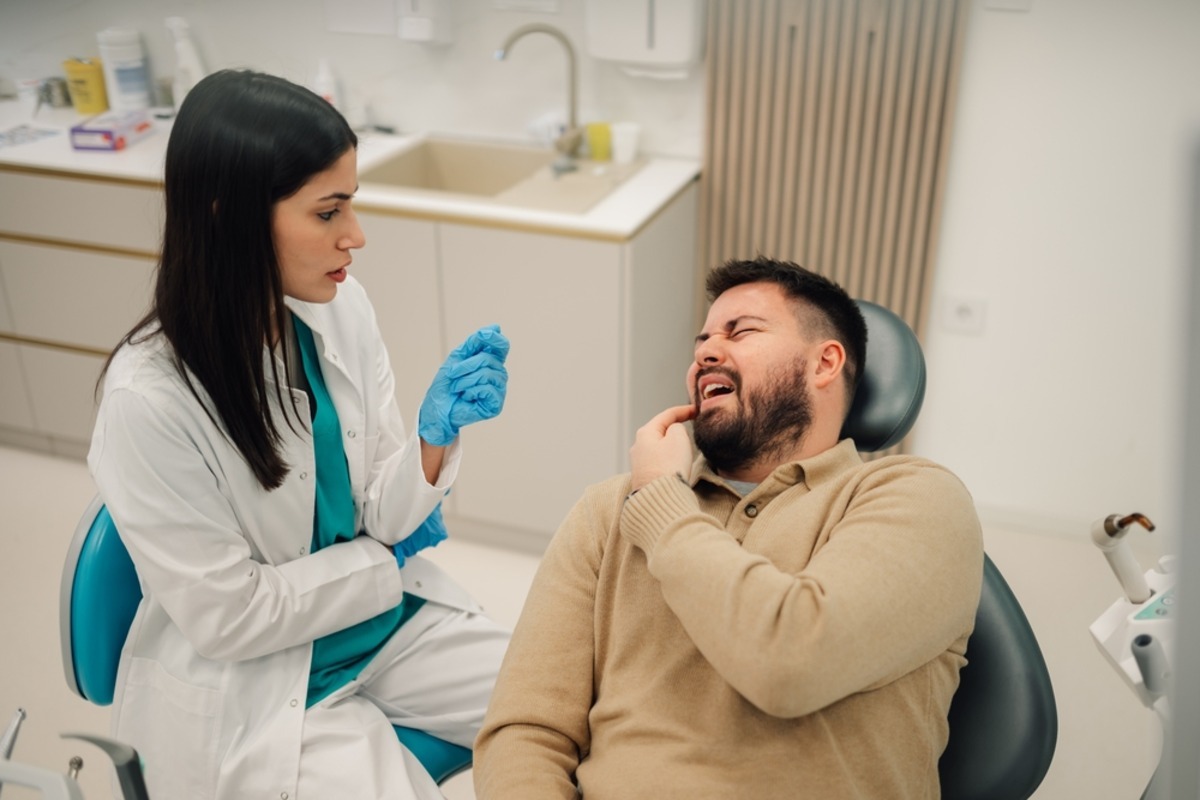
Intense tooth pain can feel overwhelming, especially when it begins suddenly. Searching for a dentist near you is often the first step you should take when swelling, throbbing pain, or fever begins to disrupt your daily routine. And as dental infections move quickly, getting the right help is important.
A dental infection is more than just a bad toothache. It usually starts when bacteria enter a damaged or decayed tooth. If not treated, the infection can spread to the root, the jaw, and even other parts of the body. Quick care can stop the spread and bring relief faster.
When to See a Dentist Immediately
After you notice severe pain or swelling, contacting a dentist in Lloydminster can help prevent the infection from getting worse. Some signs mean you should not wait.
- Look out for these symptoms.
- Severe or constant tooth pain
- Swelling in the gums, cheek, or jaw
- A bad taste in your mouth
- Pus near the tooth
- Fever or feeling weak
- Trouble opening your mouth or swallowing
If you notice these symptoms, visiting an emergency dentist near you as soon as possible can help control the infection before it spreads.
How Infections Develop
Most infections begin with untreated cavities, cracked teeth, or gum problems. When bacteria reach the inner part of the tooth, the nerve can become infected. This often causes sharp or throbbing pain.
If the infection is not treated, it can move beyond the tooth root. Swelling may increase, and the pain may spread to the jaw or ear. In severe cases, the infection can affect breathing or cause serious illness.
Steps Emergency Dentists Take
When you visit for urgent care, the goal is to reduce pain and stop the infection as quickly as possible.
- First, the dentist will examine your mouth and, if needed, take X-rays. This helps determine how deep the infection is.
- Next, the area is numbed so you feel comfortable during treatment.
- If there is swelling caused by pus, the dentist may drain the infection. This reduces pressure and often brings quick relief.
- Depending on the condition of the tooth, treatment may include a root canal to clean the inside of the tooth or removing the tooth if it cannot be saved.
- Medicine such as antibiotics may be given if the infection has spread or if swelling is severe.
An emergency dentist in Lloydminster focuses on stopping the infection and preventing it from spreading further.
Why Fast Treatment Matters
Dental infections rarely go away on their own. Waiting too long can allow the bacteria to spread deeper into the jaw or into the bloodstream. This can become dangerous.
Getting treatment early usually means
- Less pain
- Quicker healing
- Lower risk of serious problems
- A better chance of saving your tooth
Acting early gives you more options and better results.
What to Do Before Your Appointment
If you need to wait a short time before your visit, you can manage discomfort in simple ways.
- Rinse your mouth gently with warm salt water
- Take pain relief medicine as directed
- Avoid chewing on the painful side
These steps help ease discomfort but do not treat the infection itself. Only proper dental care can remove the source of the problem.
Preventing Future Infections
You can lower the risk of serious infections with good daily care.
- Brush your teeth twice a day
- Floss daily
- Fix small cavities early
- Do not ignore cracked teeth
- Visit a dentist near you for regular checkups
Regular visits help find small issues before they turn into emergencies.
Recovery After Treatment
After emergency care, you may feel mild soreness for a few days. This is normal and should improve steadily.
Follow instructions carefully. Take all medicines as prescribed. Avoid hard foods on the treated side. Attend any follow-up visits to make sure healing is going well.
Most people begin to feel better quickly once the infection is treated.
Find Fast Relief When It Matters Most
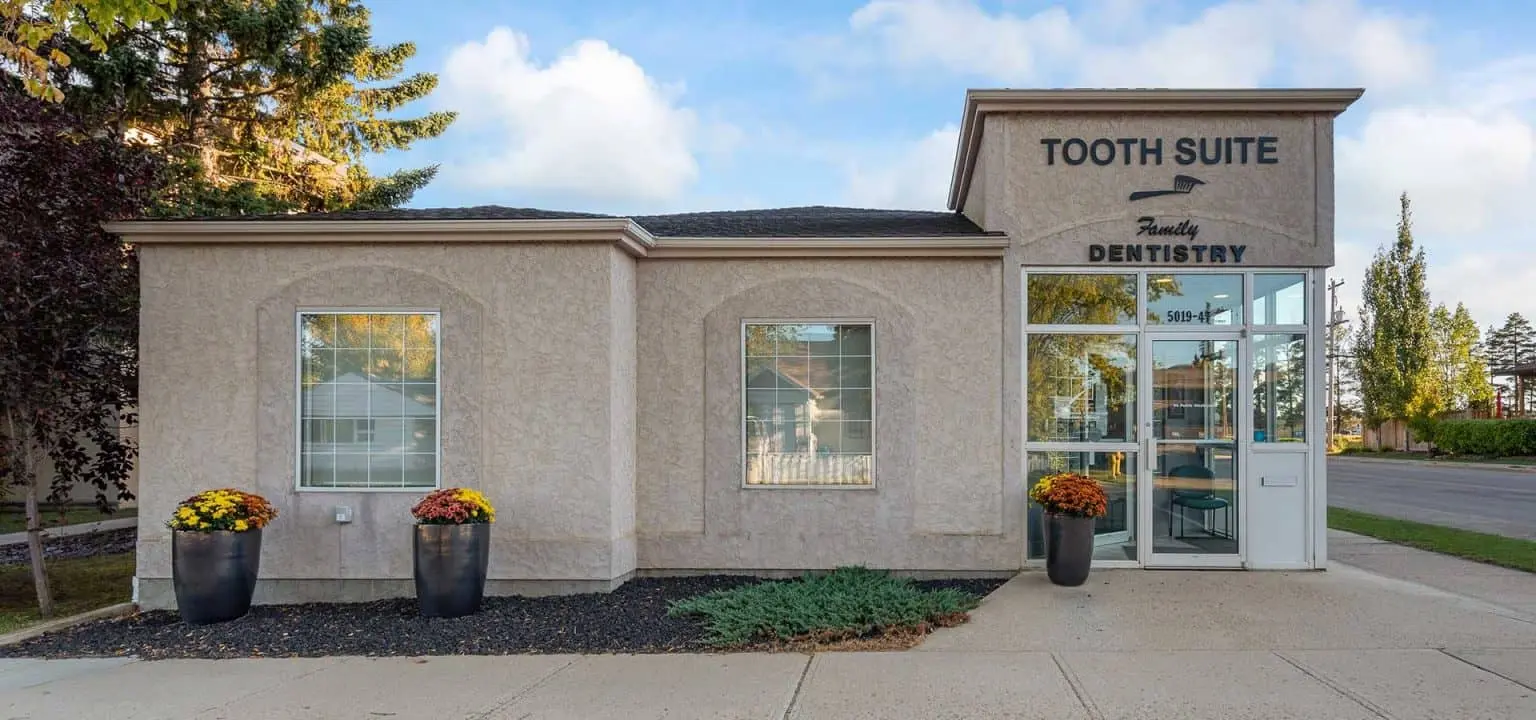
If you are experiencing severe tooth pain or swelling, we at Tooth Suite Family Dentistry are here to help. Book an urgent visit and take the first step toward feeling better and protecting your oral health.
Frequently Asked Questions
How do I know if my tooth infection is severe?
If you have severe pain that does not go away, swelling in your face or jaw, fever, or trouble swallowing, the infection may be serious. These signs mean you should get checked as soon as possible.
Can a dental infection spread to other parts of the body?
Yes. If it is not treated, the infection can move beyond the tooth and affect other areas. In rare cases, it can cause more serious health problems.
Will antibiotics alone fix a tooth infection?
Antibiotics can help reduce swelling and control bacterial growth temporarily. But they usually do not remove the main cause. Dental treatment is needed to fully clear the infection.
Is emergency treatment painful?
The area is numbed before treatment begins, so you should not feel sharp pain. Most people actually feel relief once the pressure and infection are treated.

Disclaimer
Dr. Marianne Stelmaschuk is a Lloydminster General Dentist. She is not a specialist in Cosmetic or Family Dentistry. Cosmetic and Family Dentistry are not specialties recognized by the Alberta Dental Association & College of Dental Surgeons of Alberta (CDSA). She provides Cosmetic and Family Dental procedures such as Porcelain Veneers, Dental Crowns, Invisalign, and Teeth Whitening as part of her General Dentistry license. As a Lloydminster Family Dentist, she provides General Dental procedures for all ages within the family. Dr. Prabhjot Singh is a licensed Oral and Maxillofacial surgeon and can offer Oral Maxillofacial specialty services as part of his license.