- Why Choose Tooth Suite?
- Dental Services
- New Patients
- Tooth Suite Dental Team
- Appointments
- Blog
- Contact Us
We are accepting CDCP - now available for all ages! click here for details.
We are accepting CDCP - now available for all ages! click here for details
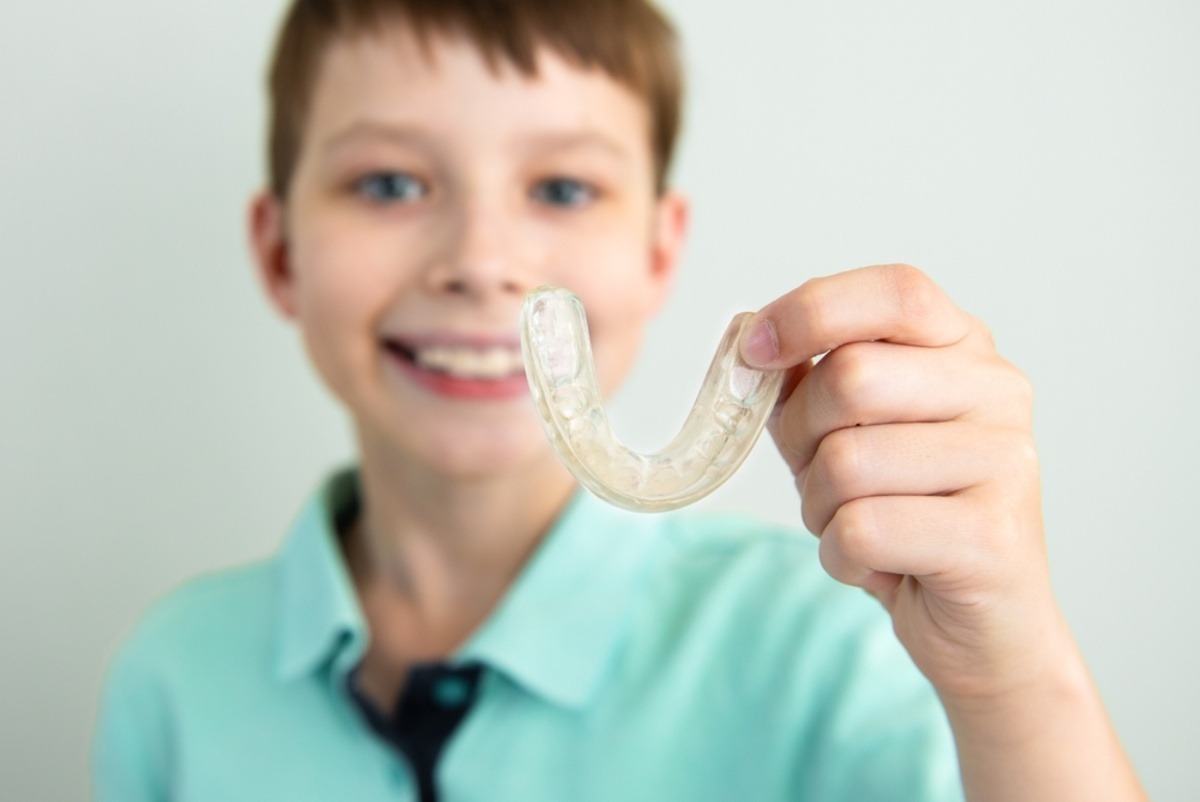
A child does not need to have crooked teeth or complain about their bite for an early orthodontic check to be useful. Around age seven, many children have a mix of baby teeth and permanent teeth, giving a dental professional an opportunity to look at how the bite and jaws are developing.
A dental clinic in Lloydminster can help parents understand whether a concern should be monitored, assessed further, or addressed while a child is still growing.
The recommendation for a first orthodontic visit at age 7 is about screening, not a rule that every child must start braces on their seventh birthday. Some children need no early treatment at all. The point is to identify developing concerns at a stage when timing may matter, while allowing normal growth and tooth eruption to continue when appropriate.
Why Age Seven Is Often Mentioned
By this age, the first permanent molars and some permanent front teeth have usually begun to emerge. Their positions can provide clues about the way the upper and lower teeth fit together. A check may also help identify a developing crossbite, severe crowding, an irregular bite, or teeth that appear to be erupting in an unusual pattern.
Early screening does not mean every issue can or should be treated immediately. It helps determine whether a child may benefit from early intervention, needs additional assessment, or can simply be monitored while more permanent teeth emerge.
What The Clinician May Look At
An early assessment may include:
- Bite alignment: How the upper and lower teeth meet when the child closes their mouth.
- Crowding and spacing: Whether there appears to be enough room for incoming permanent teeth.
- Jaw relationship: Whether the jaws appear to be growing in a way that contributes to an overbite, underbite, or crossbite.
- Tooth eruption: Whether teeth are emerging in an expected sequence and whether any seem delayed or blocked.
- Loss of baby teeth: Whether baby teeth were lost very early, late, or in a pattern that affects the space available for permanent teeth.
- Oral habits: Thumb-sucking or tongue-thrusting habits may influence dental development in some children, depending on their duration and intensity.
The clinician may recommend photographs, models, or X-rays if they would help answer a specific question. Not every child requires every type of record.
Does An Early Check Mean Braces Now?
No. Early evaluation and early treatment are different decisions. Some children may benefit from a limited intervention during growth, for example, when a particular bite problem or eruption concern needs timely attention. Others may be asked to return for monitoring until more permanent teeth appear. Starting treatment too early without a clear reason can mean a child goes through a longer or more complicated process than necessary.
Families exploring orthodontics in Lloydminster should ask what the findings mean for their child now, what changes should be watched, and when a follow-up would be useful. The recommendation should be based on growth, dental development, the type and severity of concern, and the child’s ability to manage the treatment involved. If monitoring is advised, ask which changes to watch for and when the next check should occur. A review schedule gives parents a clear point of comparison as new teeth emerge and helps avoid starting treatment simply because a child has reached a particular age.
Signs Worth Mentioning To Your Dentist
Parents can bring up concerns such as difficulty biting or chewing, a jaw that shifts when the child closes their mouth, prominent front teeth, frequent biting of the cheeks, or teeth that seem badly crowded. Persistent mouth breathing, speech difficulties, or prolonged oral habits may also be worth discussing, although these signs do not prove an orthodontic problem on their own.
Even if the teeth look straight, the bite and the position of unerupted teeth may still deserve a check. A dental clinic near you can review what you have noticed and determine whether an orthodontic assessment or referral is appropriate. Some general dental practices coordinate with orthodontists or other specialists when a child needs care beyond the services available at the initial clinic.
How To Prepare Your Child
Keep the conversation calm and straightforward. Explain that the visit is a chance to look at how the teeth are growing, not a promise that braces are coming. Before the appointment, note any concerns about chewing, tooth eruption, oral habits, or family history of significant bite problems. Mention if baby teeth were lost unusually early or if a permanent tooth seems delayed. Bring questions about timing, monitoring, possible benefits, and what findings would lead to treatment. Ask how often your child should return if no immediate treatment is recommended.
An Early Check Can Make The Next Step Clearer
The value of an orthodontic evaluation is knowing whether to act now or wait and monitor development. Book an age-appropriate consultation with Tooth Suite Family Dentistry to discuss your child’s bite, growth, and any concerns you have noticed.
FAQs
Does every child need braces at age 7?
No. Age seven is a common time for an orthodontic screening, not a requirement to start braces. Some children may benefit from early treatment, while others only need periodic monitoring. The decision depends on the bite, jaw growth, tooth eruption, and the nature of any developing concern.
What happens during a first orthodontic evaluation?
The clinician reviews the child’s dental history, examines the teeth and bite, and considers how the jaws appear to be developing. Photographs, models, or X-rays may be recommended if they answer a clinical question. The result may be a treatment plan, a referral, or a monitoring schedule.
Can early orthodontic treatment prevent braces later?
Early treatment can address certain problems during growth, but it does not guarantee that a child will avoid braces later. Some children need a second phase once more permanent teeth erupt. The benefit depends on the specific concern and whether treating it early is clinically appropriate.
What signs may suggest a bite or alignment problem?
Possible signs include severe crowding, prominent upper front teeth, an underbite or crossbite, difficulty biting, or a jaw that shifts when closing. These signs are not a diagnosis. A dental professional can assess the bite and decide whether more detailed orthodontic evaluation is appropriate.
What if my child’s teeth look straight at age 7?
Straight-looking front teeth do not show the whole picture. The back teeth, bite, jaw relationship, and eruption of teeth also matter. An early check may confirm that no treatment is needed, or it may identify a concern that should be monitored as permanent teeth develop.

Disclaimer
Dr. Marianne Stelmaschuk is a Lloydminster General Dentist. She is not a specialist in Cosmetic or Family Dentistry. Cosmetic and Family Dentistry are not specialties recognized by the Alberta Dental Association & College of Dental Surgeons of Alberta (CDSA). She provides Cosmetic and Family Dental procedures such as Porcelain Veneers, Dental Crowns, Invisalign, and Teeth Whitening as part of her General Dentistry license. As a Lloydminster Family Dentist, she provides General Dental procedures for all ages within the family. Dr. Prabhjot Singh is a licensed Oral and Maxillofacial surgeon and can offer Oral Maxillofacial specialty services as part of his license.